

Fit Tips by Age
Fit & Care
Age-aware notes for growing feet
Fit Tips by Age
Children do not move the same way at every age. A first walker needs a different fit feeling than a school child running across the playground. Use these TinyTrek notes to match shoe comfort with the stage of the day and the stage of growth.

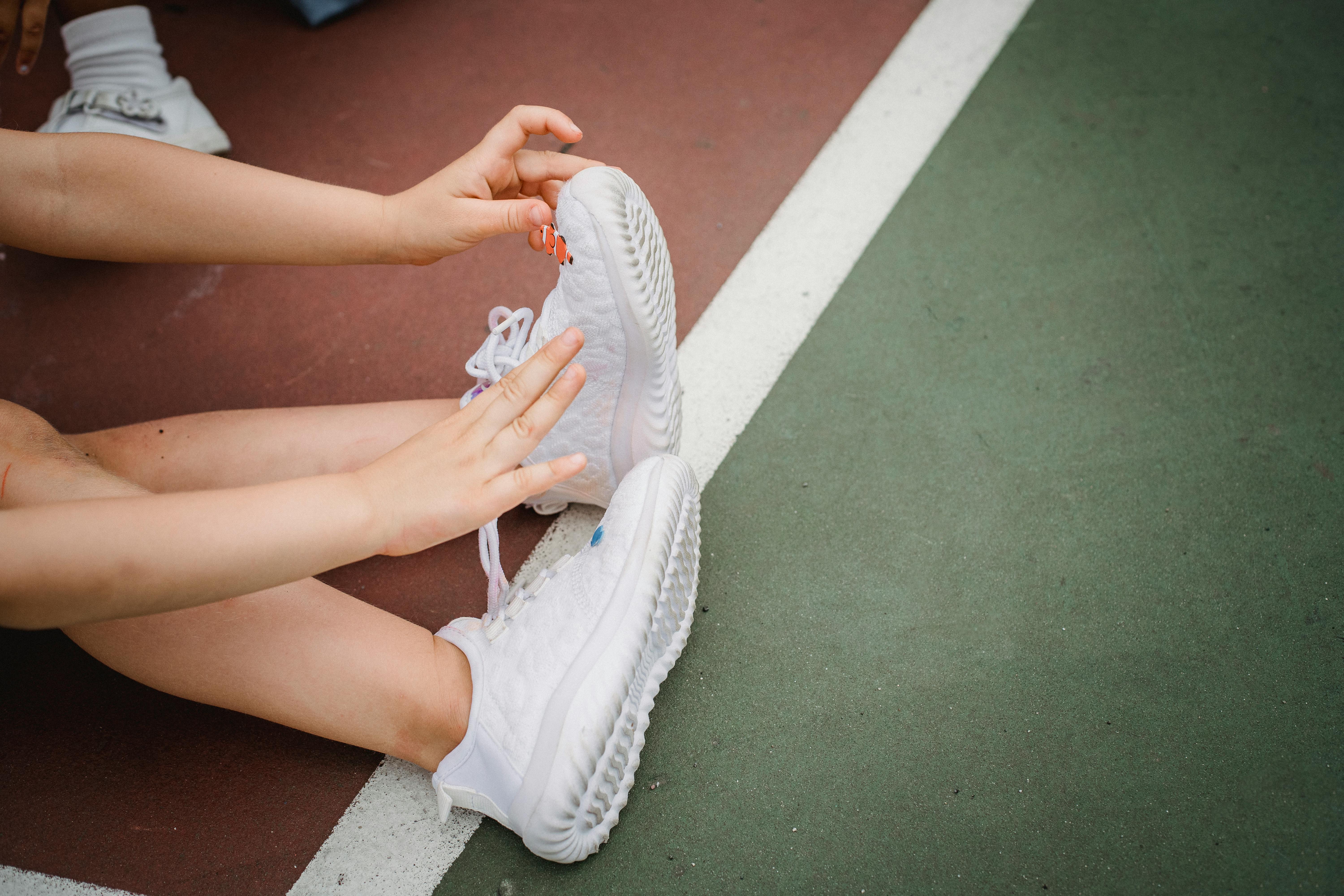

Age stage map
Start with how the child moves today.
Age is only a guide, but it helps parents notice the kind of support a child may need. Measure both feet, then use these age notes to check comfort, movement, and daily wear.
Learning balance with soft steps
Look for lightweight shoes that are easy to put on, flexible enough for early movement, and secure enough to stay in place during short walks.
Busy feet need gentle hold
Toddlers change direction often. A good fit should feel stable at the heel while leaving room for toes to spread and wiggle naturally.
Playground-ready comfort
Children in this stage often climb, run, crouch, and jump. Check that shoes bend comfortably and do not pinch across the top of the foot.
All-day shoes for real routines
School-age feet need comfort through longer days. Prioritize steady heel hold, space for socks, and support that feels calm after hours of wear.
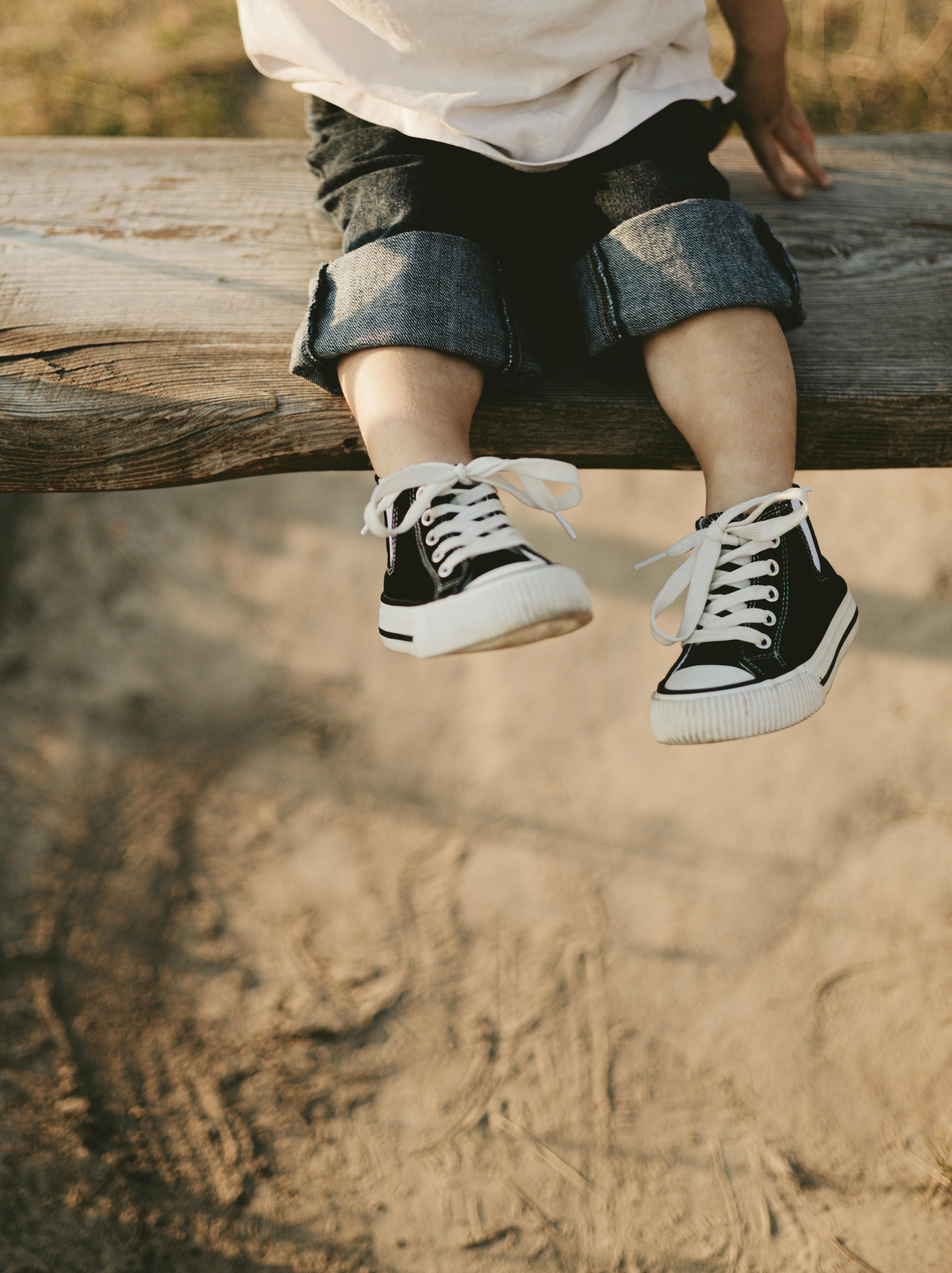
Choose an age stage
Fit is a moving target, not a one-time guess.
Children grow in bursts, and the right fit can change faster than a parent expects. Tap an age stage for TinyTrek’s soft-fit reminders.
First walker fit
At this stage, the shoe should feel light, flexible, and easy to secure. Avoid stiff shapes that make early steps feel clumsy or heavy.
- Check that toes can move gently inside the shoe.
- Choose closures that keep the shoe on without squeezing.
- Use short try-on walks rather than only standing still.
What to watch
Three fit signals that change with age.
A child’s size is important, but comfort also comes from how the shoe behaves in real movement. Use these signals after measuring and after the first try-on.
Room to wiggle, not room to slide
Younger children need natural toe spread for balance. Older children still need space, but too much extra room can make active shoes feel unstable.
A steady back of shoe helps confidence
If the heel slips with every step, the shoe may feel tiring or hard to control. Check this especially when children begin running and climbing.
Movement should feel easy and natural
Flexible comfort matters for early walkers, but active school days also need shoes that bend comfortably without losing everyday support.
Parent routine
Make fit checks part of the everyday rhythm.
Parent questions
Gentle answers for growing feet.
Age can help guide fit decisions, but every child grows differently. When in doubt, measure again, watch the walk, and choose comfort that matches the child’s real day.
Should I choose shoes based only on age?
No. Age is a helpful starting point, but foot length, width, socks, shoe shape, and the child’s movement matter more. Always measure and check comfort after try-on.
How much growing room should children have?
A little room is helpful, especially for toes, but too much extra space can make shoes feel unstable. Look for toe movement with a steady heel hold.
Why do toddlers need a different fit check?
Toddlers move unpredictably. They may pivot, crouch, climb, and stop suddenly, so shoes should stay secure while still feeling soft and flexible.
How do I contact TinyTrek for fit help?
You can reach TinyTrek at info@tinytrek.sbs or call 2092196148. Please include the child’s foot length, age stage, and the shoe style you are considering.
Ready for the next step
Choose shoes that fit the age, the foot, and the adventure.
Explore TinyTrek shoes for first walkers, toddlers, preschool play, and school-day routines made for growing little feet.